princess diana engagement ring: Our Expert Insights into Timeless Elegance
From Royalty to Legacy: The Historical Importance of Princess Diana's Engagement and Wedding Rings
Princess Diana's wedding and engagement rings transcend their role as basic ornaments; they are powerful symbols of her unique identity and enduring legacy. The remarkable blue sapphire engagement ring and the elegant wedding band capture her journey through affection and pain. These pieces have sparked conversations about monarchy, uniqueness, and the influence of private decisions on societal views. Their story invites exploration into the deeper significance behind their design and the emotions they inspire.
The Design and Features of Princess Diana's Engagement Ring
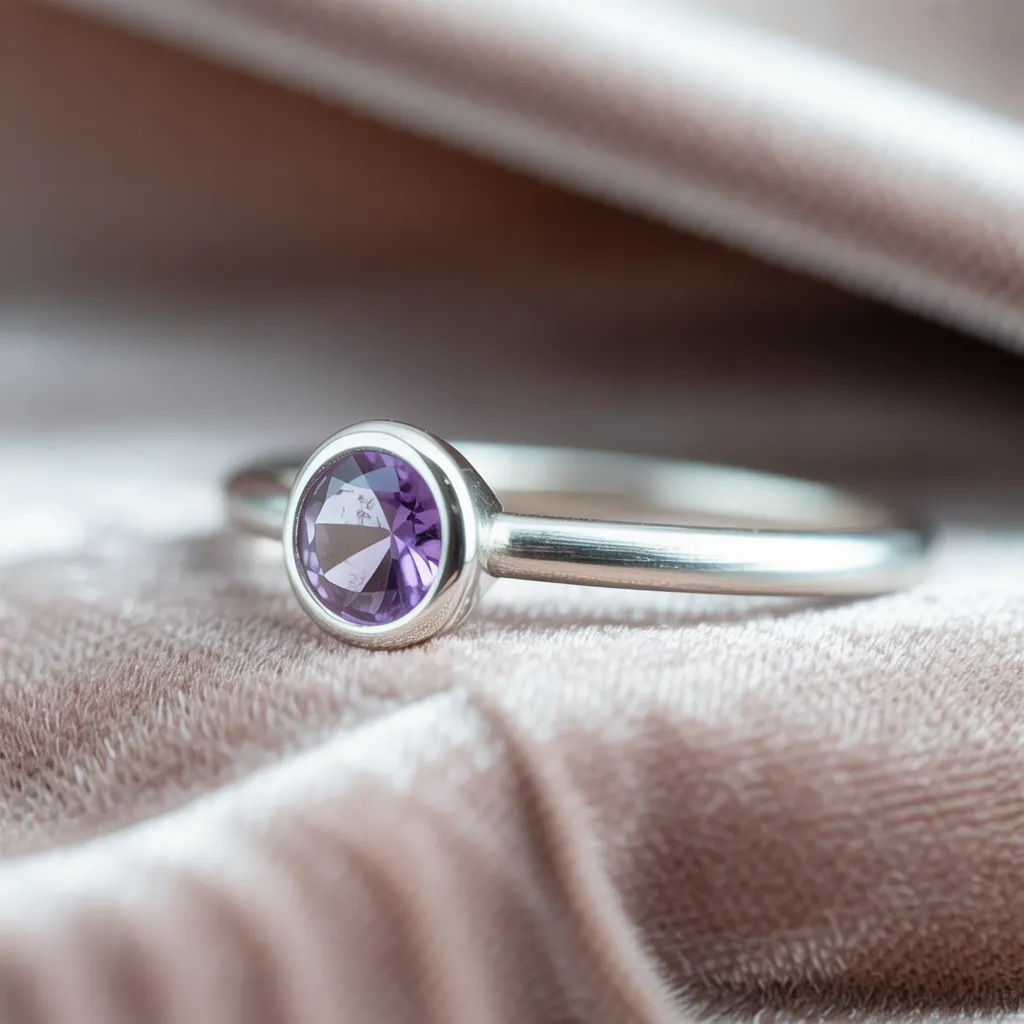
Princess Diana's betrothal ring, an impressive representation of her royal engagement, presented a singular design that fascinated numerous observers. Created by the jeweler Garrard, this ring displayed a magnificent 12-carat oval blue sapphire, encircled by a halo of 14 diamonds. This composition generated a dramatic contrast, accentuating the intense blue of the sapphire against the radiance of the diamonds. The selection of a sapphire held importance, embodying both sophistication and uniqueness, departing from conventional diamond-focused designs characteristic of royal betrothals.
The ring's gold band added a touch of warmth, complementing the gemstones and enhancing its overall aesthetic appeal. Its striking and non-traditional design resonated with Diana's personality, embodying her contemporary approach to royal life. The engagement ring represented not just her union with Prince Charles but also became a lasting emblem of her legacy, cherished by admirers around the world long after her passing.
The Meaning of the Sapphire: An Emblem of Royalty
For centuries, sapphires have been connected with royalty, symbolizing wisdom, loyalty, and nobility across the ages. Their deep blue hue has made them a popular option among monarchs, often displayed in crowns and royal jewelry. This tradition of employing sapphires in royal adornments emphasizes their significance as a powerful emblem of status and heritage.
Historical Importance of Sapphires
Over the centuries, the sapphire has been venerated as a symbol of nobility and royalty. Its intense blue shade has enthralled monarchs and adorned crowns, representing power and divine favor. Ancient Persians were convinced that the sky was painted blue by sapphires, while medieval Europeans aligned the gemstone with heaven, encouraging its use in royal regalia. Sapphires were regarded as protective stones, believed to shield rulers from envy and harm. Moreover, they symbolized wisdom and loyalty, traits highly valued in leadership. The longstanding allure of sapphires has endured through centuries, making them a popular choice for engagement rings among royalty, further solidifying their status as a gemstone of choice for those in leadership and prominence.
Sapphires Within Royal Tradition
Sapphires hold a deeply rooted allure in royal tradition throughout history, with their constant association to power and prestige. Famous for their remarkable blue shade, sapphires embody loyalty and nobility, positioning them as a cherished pick among monarchs. Through history, they have adorned crowns, scepters, and jewelry, often signifying divine favor and protection. The British royal family, for example, has embraced sapphires, with distinguished pieces like Princess Diana's renowned engagement ring, which remains an inspiration of admiration. This gemstone's historical significance transcends mere aesthetics; it represents the values of integrity and wisdom often attributed to monarchs. Thus, sapphires remain an enduring emblem of royal heritage and eternal elegance in today's world.
Grasping the Importance of the Wedding Ring
Although many people consider wedding rings simply as pieces of jewelry, their significance goes far beyond aesthetics. These rings represent a profound commitment between partners, marking the change from individual lives to a shared journey. Historically, the circular shape of a wedding ring embodies eternity, symbolizing the vow of everlasting love and fidelity. The act of exchanging these rings during a ceremony reinforces the bond, serving as a tangible reminder of the promises made.
Across different cultures, wedding rings hold special symbolism, commonly reflecting societal standing, wealth, and heritage. The materials used—such as gold, platinum, or gemstones—can signify personal beliefs or ancestral customs. Aside from their physical attributes, wedding rings inspire emotional connections, encapsulating common experiences and milestones within a relationship. At their core, they act as personal artifacts that hold the weight of love, commitment, and the special story of each couple's journey together.
Princess Diana's Rings and Their Emotional Significance
As Princess Diana embarked on her path into royal life, her engagement and wedding rings served as symbols not only of her union with Prince Charles but also of her personal evolution. The engagement ring, featuring a striking 12-carat sapphire framed by diamonds, represented both her uniqueness and the love that existed between her and her fiancé. Initially, the rings delivered joy and excitement, reflecting the enchanted dream of a young woman walking into the royal spotlight.
However, as time moved forward, the emotional significance of the rings evolved. They transformed into reminders of the difficulties and tribulations within her marriage, embodying moments of pain and disillusionment. The rings, once symbols of promise and love, evolved into complex artifacts of a turbulent relationship. Ultimately, they embodied not just a royal legacy, but also Diana's resilience, resolve, and search for authenticity within a life of public scrutiny and personal struggle.
What Today's Jewelry Trends Originated from Diana's Rings?
The rings of Princess Diana have created an enduring legacy reaching far beyond her own story, shaping modern jewelry trends in remarkable ways. The iconic engagement ring, showcasing a striking 12-carat sapphire surrounded by diamonds, has triggered a resurgence in colored gemstones, encouraging couples to pursue unique alternatives to traditional diamond rings. This shift has led to an increase in bespoke and vintage-inspired designs, enabling more personalized expressions of love.
Furthermore, the tendency of showcasing elaborate settings and halo designs can be linked to Diana's rings, as they emphasize craftsmanship and elegance. The prevalence of stacking rings, frequently seen in contemporary bridal sets, also illustrates Diana's influence, allowing individuals to blend various styles and stones to create a unique look. In the end, these trends not only honor individuality but also pay homage to the timeless elegance represented by Princess Diana and her exceptional rings.
Princess Diana's Rings: A Lasting Legacy
Princess Diana's rings have established an lasting legacy characterized by their iconic design elements, which remain influential in modern jewelry. Their cultural impact extends further than mere aesthetics, as they embody love and resilience, resonating with people worldwide. This legacy highlights not only the rings' artistry but also their role in shaping public perceptions of royalty and personal expression.
Signature Design Components
While frequently eclipsed by her regal status, the design elements of Diana's engagement and wedding rings have left a lasting impression on fashion and jewelry history. The engagement ring, presenting a striking 12-carat sapphire accompanied by fourteen diamond accents, demonstrated a bold departure from traditional diamond-centric designs. Its deep blue hue symbolized loyalty and nobility, mesmerizing the public's imagination. Meanwhile, her wedding band, a classic gold piece, complemented the engagement ring's opulence with understated elegance. Both rings showcased a combination of modernity and timelessness, mirroring Diana's personality. These iconic designs not only established fashions in the 1980s but continue to inspire contemporary jewelry, reinforcing Diana's legacy as a style icon that transcends her royal status.
Influence and Cultural Impact
The significance of Diana's engagement and wedding rings goes far beyond their stunning design. These rings have become symbols of devotion, resilience, and individuality, transcending royal status to resonate with a global audience. The sapphire engagement ring, in particular, brought attention to colored gemstones in bridal jewelry, leading to a trend that celebrates personal choice over tradition. Furthermore, Diana's affinity for her rings inspired many replicas and variations, making them accessible to a wider audience. The emotional connection associated with her jewelry also sparked conversations on the significance of heirlooms and personal narratives in modern relationships. Finally, Princess Diana's rings have left an lasting mark on cultural perceptions of engagement and wedding symbols, embodying a legacy that continues to inspire generations.
The Cultural Significance of Diana's Jewelry Selections
Whereas Diana's jewelry picks were commonly perceived merely as symbols of her royal status, they surpassed mere adornment to mirror broader cultural shifts. Her affinity for pieces that insightful guide blended elegance with personal significance resonated with the public, demonstrating a departure from traditional royal norms. Diana often wore jewelry that featured colored gemstones, which embodied individuality and emotional depth, contrasting with the usual diamond-centric royal aesthetic. This selection shaped fashion trends and reshaped perceptions of luxury.
Furthermore, her jewelry choices frequently communicated messages of compassion and empowerment, corresponding to her humanitarian efforts. As she engaged with various causes, the pieces she wore became emblematic of her advocacy, creating a connection with the public. Diana's jewelry choices consequently served not only as fashion statements but also as cultural markers that reflected societal changes in the perception of femininity, power, and personal expression during her era.
The Rings and Their Connection to the Monarchy
The engagement and wedding rings of Diana not only represented her personal journey but also reflected the complex relationship between the monarchy and its traditions. The selection of her engagement ring, featuring a stunning sapphire surrounded by diamonds, marked a departure from the traditional diamond rings commonly favored by royal brides. This selection emphasized a blend of modernity and personal taste, striking a chord with the public and showcasing the evolving nature of royal symbolism.
The wedding ring, a modest yet refined gold band, followed royal customs, highlighting the value of tradition within the monarchy. Together, these rings encapsulated Diana's dual role as a present-day figure and a delegate of royal heritage. They functioned as a reminder of the expectations imposed on her as a member of the royal family while demonstrating her individuality. Therefore, the rings became an important part of her legacy, merging her story with the enduring narrative of the British monarchy.
What Became of Diana's Rings Now?
Following Princess Diana's tragic demise, her engagement and wedding rings turned into significant heirlooms, representing not only her legacy but also the poignant memories associated with her life. Today, these iconic rings are possessed by her sons, Prince William and Prince Harry, who pay tribute to their mother's memory through their personal choices regarding the jewels.
The engagement ring, which features a stunning blue sapphire encircled by diamonds, is currently worn by Catherine, the Duchess of Cambridge, representing a continuation of Diana's legacy within the royal family. The wedding ring, fashioned from Welsh gold, stays a beloved emblem of love and commitment.
The two rings act as reminders of Princess Diana's effect, with the capacity for coming generations to carry forward her legacy. Their value keeps resonating, not only within the royal family but also among the numerous admirers who cherished Diana throughout her life.
Questions & Answers
Who Designed Princess Diana's Engagement Ring?
The engagement ring of Princess Diana was created by Garrard, a British jeweler. It displays a remarkable 12-carat sapphire encircled by 14 diamonds, selected for its unique nature, mirroring her personal style and inclination for non-traditional designs.
What Materials Were Featured in Diana's Wedding Ring?
Diana's wedding band was created from 18-carat gold, presenting a refined yet understated design. The subtle band harmonized with her engagement ring, representing a timeless union and showcasing Diana's individual elegance and regal background.
Did Diana Make Changes to Her Rings Post-Marriage?
After her marriage, Diana did not change her wedding or engagement rings. She elected to maintain them as is, retaining their original meaning and design across her time as the Princess of Wales.
What Is Today's Valuation of Diana's Rings?
Diana's wedding and engagement rings are valued at an estimated amount between £300,000 to £400,000 currently. Their significance extends beyond monetary worth, embodying memories and sentiments that touch the hearts of countless admirers globally.
Are Diana's Rings Displayed in Any Museums?
No museums are currently displaying Diana's rings. Though their importance stays significant, the jewelry pieces are held privately, with occasional exhibitions showcasing her jewelry temporarily, yet no lasting public display has been established.