Tips for Buying Luxury Replica Rings
Uncover the Beauty: a Comprehensive Guide to the Royal Jewelry Collection
Royal jewels occupies a unique position in the historical record, embodying authority and distinction across generations. Each artifact, from tiaras to brooches, conveys a narrative of cultural significance and artistry. The level of craftsmanship is truly remarkable, showcasing techniques handed down over centuries. When exploring these magnificent treasures, questions arise about their impact on modern fashion and the enduring commitment to preserving their legacy. What secrets might these elegant artifacts reveal?
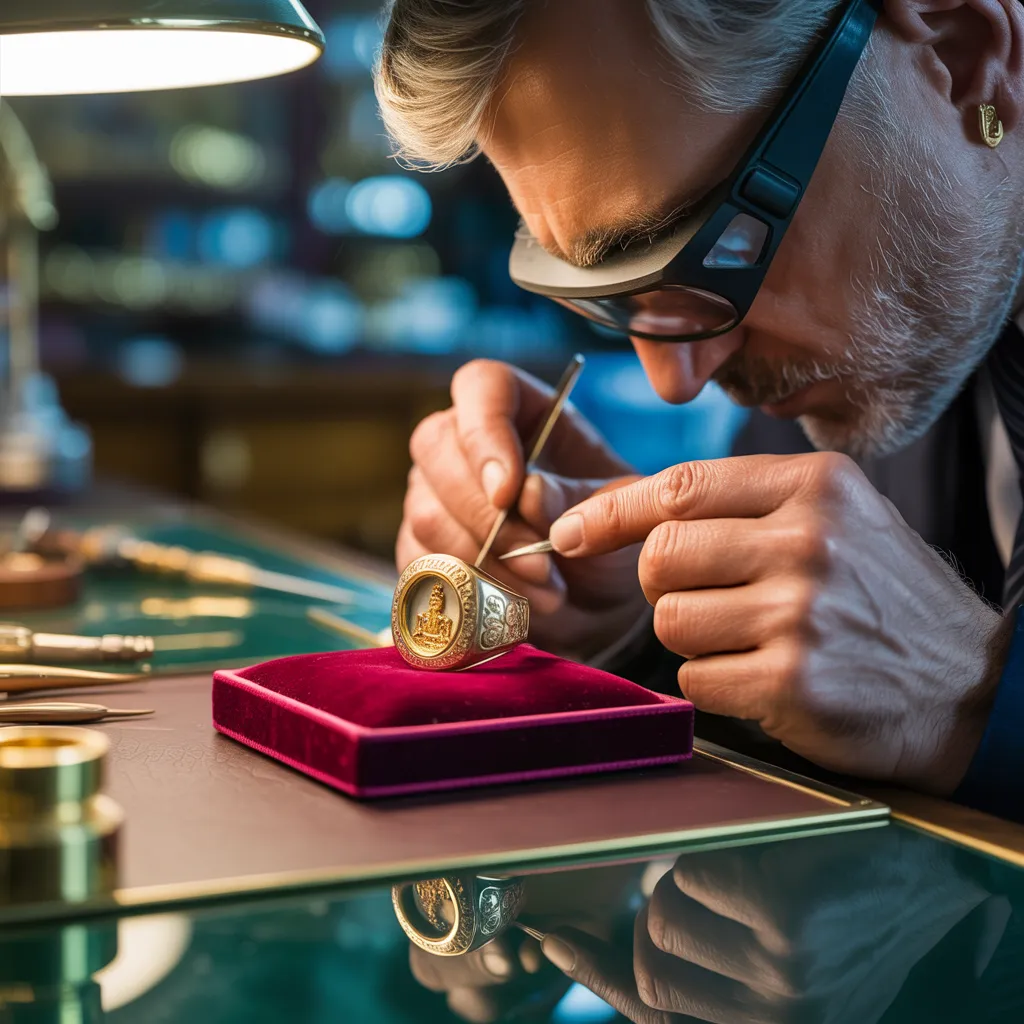
The Significance of Royal Jewelry Throughout History
Throughout history, monarchical jewelry has served as a profound embodiment of influence and distinction, demonstrating the resources and power of royal dynasties. Such magnificent items were frequently made from the finest materials, including gold, silver, and precious gemstones, demonstrating the artistry of skilled craftsmen and the wealth of the monarchy. Royal jewelry served more than decorative purposes but also communicated power, heritage, and succession. Royal headpieces and jewelry frequently featured intricate designs that reflected the traditions and history of a kingdom, while also acting as political offerings to cement international relationships. The significance of such pieces extended well past adornment; they were integral to formal gatherings, coronation rites, and diplomatic functions, embodying lasting authority and governmental strength. As guardians of the past, royal jewelry connects the past with the present, reflecting the aspirations and triumphs of dynasties throughout the ages, establishing them as irreplaceable cultural heritage.
Timeless Pieces From the Royal Collection
The Royal Collection is a repository for many of the most distinguished jewelry pieces in the annals of history, among them the legendary Crown Jewels. These remarkable treasures not only showcase exquisite craftsmanship but also embody significant historical narratives. Distinguished royal figures have additionally enhanced their legacy, establishing them as symbols of heritage and power.
Crown Jewels Summary
The Crown Jewels represent the deep-rooted history and timeless legacy of the British monarchy, displaying a stunning assortment of pieces that embody centuries of artistry and importance. The most celebrated pieces include the Imperial State Crown, decorated with approximately 3,000 diamonds, and the Sovereign's Sceptre, showcasing the legendary Cullinan I diamond. The Coronation Spoon, a historic relic, underscores the ritual importance of these treasures. Every item fulfills a distinct purpose at royal ceremonies, reflecting the majesty and distinction of the Crown. The collection is preserved within the Tower of London, drawing millions of tourists each year. Collectively, they stand as an extraordinary testament to the artistry and heritage of British royalty, captivating visitors from around the globe.
The Importance of Historical Significance
While many pieces in the Royal Collection speak to power and legacy, several remarkable pieces are distinguished by their deep historical importance. The Imperial State Crown, embellished with the Cullinan II diamond, represents the authority of the British monarchy and has been a fixture at the State Opening of Parliament since 1837. One additional distinguished piece is the Cambridge Lover's Knot Tiara, which is connected to Queen Mary and Princess Diana, exemplifying continuity and familial bonds within the royal lineage. Moreover, the Koh-i-Noor diamond, historically regarded as a symbol of colonial power, highlights the intricate relationship between history, power, and cultural significance. These celebrated items not only demonstrate extraordinary workmanship but also preserve significant milestones in the monarchy's illustrious heritage.
Distinguished Regal Personalities
A great number of royal figures have been seen wearing celebrated pieces from the Royal Collection, each contributing their own story to the narrative of these exceptional jewels. Queen Elizabeth II was frequently photographed in the dazzling Burmese Ruby Tiara, a treasured gift from the people of Burma, embodying grace and resilience. Princess Diana gained worldwide recognition for the captivating sapphire engagement ring, which endures as a symbol of her legacy. The Duchess of Cambridge, Kate Middleton, has been captivated by these pieces, most notably donning the famous Cambridge Lover's Knot Tiara, initially designed for Queen Mary. Each individual who donned these jewels not only demonstrated the remarkable craftsmanship but also brought personal history and cultural depth to the timeless elegance of the Royal Collection, securing its permanent place in history.
The Artistry Behind Royal Collection Jewelry
The craftsmanship embodied by Royal Collection Jewelry embodies a dedication to exceptional artistry that transcends mere adornment. Every item is carefully created by expert jewelry makers who utilize traditional methods, ensuring that each element is crafted with accuracy. Beginning with the careful choice of high-quality gemstones to the detailed metal craftsmanship, the production process demonstrates an unwavering dedication to quality.
Skilled artisans commonly seek inspiration from historical motifs, blending tradition with modern aesthetics. This combination yields exceptional works that not only showcase remarkable beauty but also tell a story. Practices like hand-setting, engraving, and filigree work are commonly applied, underscoring the painstaking effort invested in each creation.
The inclusion of ethically sourced stones and precious metals greatly adds to the quality of Royal Collection Jewelry, establishing it as a mark of elegance and legacy. In the end, this dedication to craftsmanship assures that every piece stands the test of time, valued across many generations.
How Royal Jewelry Embodies Cultural Traditions
Royal jewelry serves as a reflection of cultural traditions, presenting rich symbolism across its decorative motifs. Historical influences are evident in the aesthetic choices made by diverse regions, embodying the values and narratives of their individual societies. Moreover, regional craftsmanship techniques are responsible for the distinctive characteristics of every individual piece, greatly enhancing the cultural story embedded within royal collections.
Symbolic Meaning In Design Motifs
Fine jewelry often serves as a powerful means for communicating heritage and cultural identity, most notably in regal collections. The design motifs in royal jewellery frequently embody important cultural emblems, showcasing the values and beliefs of a civilization. As an illustration, motifs like the lotus motif in Egyptian ornaments symbolize renewal and purity, while Celtic knot patterns signify unity and eternity. Each element is deliberately picked to convey messages of lineage, power, and protection. Furthermore, the use of color and materials frequently mirrors regional traditions, such as the inclusion of gemstones believed to hold specific meanings. Therefore, royal jewellery not only serves as adornment but serves as a storytelling medium, showcasing the rich tapestry of cultural history and heritage through its detailed artistry.
Historical Influence On Styles
While shaped by a range of historical developments, royal jewelry often reflects the lasting cultural heritage of a society. Each artifact acts as a reflection of the principles, traditions, and practices that have defined its heritage. For instance, the elaborate patterns found in European crowns can reveal connections to ancient mythology, while Asian royal ornaments often feature emblems of prosperity and harmony. The use of carefully chosen gems, such as sapphires and emeralds, commonly resonates with cultural significance—symbolizing wisdom or fertility, respectively. Furthermore, the artistry and aesthetic approaches evolve in response to sociopolitical changes, yet they consistently honor traditional motifs and techniques. Therefore, royal jewelry does not merely display aesthetic beauty but also captures the rich tapestry of cultural heritage throughout history.
Traditional Regional Craft Techniques
Craftsmanship techniques in royal jewelry reveal unique cultural characteristics that embody the artistic heritage of different cultures. In India, elaborate ornamental designs and colorful stone arrangements showcase the nation's deep-rooted traditions, often featuring designs influenced by nature and mythology. In contrast, in Europe, practices like cloisonné and champlevé enamel illustrate the mastery of ancient artisans, often embellished through heraldic symbols that signify lineage and status. African royal jewelry frequently employs beadwork and metal-smithing, employing natural materials to convey spiritual significance and community identity. Each region's unique methods not only elevate the aesthetic appeal of royal pieces but also serve as a demonstration of the skill and traditional accounts that have defined their development across centuries.
Royal Jewelry's Influence on Modern Trends
As monarchies across the globe persistently display their magnificent collections, the effect of royal adornments on current fashion trends becomes progressively clear. Designers often draw inspiration from the timeless elegance and intricate craftsmanship found in royal pieces, translating these elements into contemporary fashion. Characteristic designs, such as floral arrangements and angular patterns, commonly surface in current collections, reflecting the enduring allure of historical styles.
Moreover, the reemergence of retro-inspired styles in refer to resource jewelry can be traced back to the distinguished royal repositories that emphasize exquisite jewels and intricate metal craftsmanship. Online social networks enhance this impact, with well-known icons often seen emulating royal fashion influences, increasingly spreading these trends among general audiences. Consequently, buyers are more frequently searching for pieces that echo regal magnificence, leading to a fusion of historical artistry and present-day innovation in the contemporary jewelry industry. This convergence not only respects royal heritage but also encourages upcoming creators of craftspeople and connoisseurs alike.
Safeguarding the Legacy: Preservation Initiatives and Displays
Royal jewelry not only shapes contemporary design but also necessitates dedicated efforts for protection and showcasing. Establishments entrusted with these precious items hire expert conservators who carefully evaluate the condition of every item. This involves cleaning, repairing, and ensuring the suitable environmental parameters—temperature, moisture levels, and lighting—to avoid degradation.
Displays are fundamental in presenting these objects, allowing the general audience to appreciate their historical and artistic significance. Curators collaborate to develop themed exhibitions that share captivating accounts, weaving together the stories of the pieces' backgrounds and their noble proprietors.
Frequently Asked Questions
Who Usually Creates Royal Collection Jewelry Items
Fine royal jewelry items are generally created by distinguished jewelers and skilled artisans, often commissioned by prestigious royal courts. These designers concentrate on intricate craftsmanship, timeless heritage, and the careful selection of precious materials to create exquisite pieces.
How Are Royal Jewelry Pieces Authenticated?
Royal jewelry items undergo authentication via thorough evaluation by professionals, who examine quality, materials, and historical background. Documentation, such as receipts and certificates, further supports the authenticity, preserving the articles' legitimacy and royal ancestry.
What Materials Are Commonly Used in Royal Jewelry?
Royal jewelry commonly includes valuable metals like gold, platinum, along with a stunning collection of gemstones such as sapphires, diamonds, rubies, and emeralds. These materials represent the enduring legacy, wealth, and power of royalty.
Are Royal Jewelry Auctions Available?
Indeed, periodic royal jewelry auctions are conducted, presenting stunning pieces sourced from numerous royal collections. Such occasions draw both collectors and enthusiasts, offering a rare opportunity to acquire historically significant items rich in heritage and craftsmanship.
How Can the Public View Royal Jewelry Collections?
The general public can explore these prestigious jewelry collections through the means of curated museum exhibitions, specially arranged events, and royal residence open days. Some collections may also be displayed at important anniversaries or royal festivities, enabling wider public access.
Key Takeaways
In exploring the regal jewelry collection, one uncovers a tapestry of artistry, history, and cultural meaning. Every piece not only represents influence and distinction but also highlights the intricate craftsmanship that has been maintained across centuries. With modern fashions constantly shifting, the lasting heritage of royal adornments stays impactful, connecting history to the modern era. By means of dedicated restoration efforts and showcases, these eternal gems will enchant generations to come, ensuring that their stories and elegance endure.